
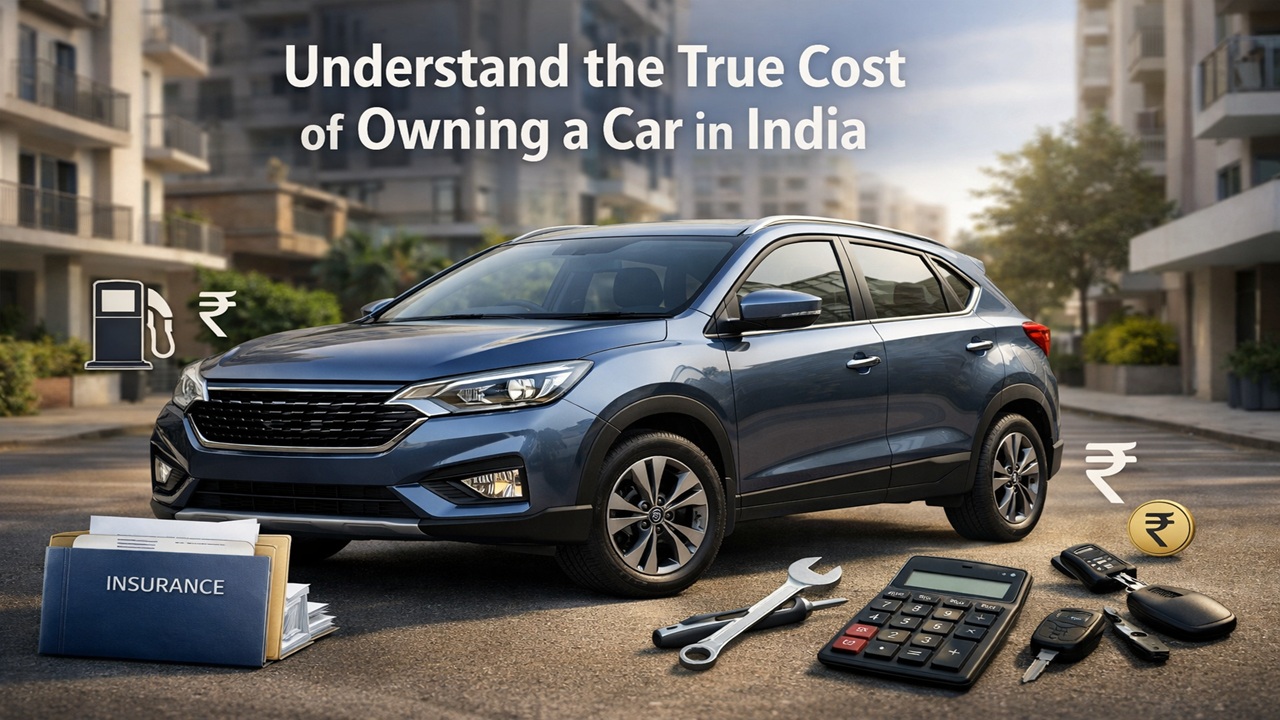
Buying a car in India is no longer just about the sticker price. While most people focus on the ex-showroom cost, taxes, or monthly EMIs, the real cost of owning a car goes much deeper. Fuel, insurance, maintenance, depreciation, and even smart accessories all add up.
In 2026, with rising car prices, longer loan tenures, and increasing service costs, knowing the true cost of ownership can save you thousands and help you make smarter choices. This guide will break down every expense, share expert tips, and show how the right tools and accessories can protect your car and your wallet.
Why Calculating True Cost Matters in India
India’s automotive market is rapidly changing:
- Rising taxes and safety norms have increased the cost of new cars.
- Fuel prices fluctuate frequently, affecting monthly budgets.
- Insurance premiums are higher for urban areas with high theft and accident rates.
- Maintenance and spare part costs vary across brands, models, and regions.
Without understanding these factors, buyers often underestimate expenses by 30–40% over five years. Calculating the true cost of ownership helps you plan finances, choose the right car, and even select the right accessories from trusted car accessories manufacturers to protect your investment.
Components of True Car Ownership Cost
The cost of owning a car in India can be broken down into several key elements:
1. Ex-Showroom and On-Road Price
- Ex-Showroom Price: Base price of the car before registration, taxes, and insurance.
- Registration Charges: Varies by state (typically 7–12% of ex-showroom price for hatchbacks, higher for SUVs).
- Road Tax: One-time cost depending on engine size, fuel type, and vehicle category.
- Handling and Delivery Fees: Charged by dealerships.
Pro Tip: Always check state-specific registration and road tax calculators online to avoid surprises.
2. Insurance Costs
Car insurance is mandatory in India. The type of policy and vehicle value influence your premium:
- Third-Party Insurance: Covers damage to others’ property; cheapest option.
- Comprehensive Insurance: Covers own car damage, natural disasters, and theft.
- Add-ons: Zero depreciation, engine cover, roadside assistance, and key replacement.
Data Insight: In metro cities, comprehensive insurance for a hatchback can cost ₹10,000–₹15,000 per year, while SUVs can go up to ₹25,000+.
3. Fuel Costs
Fuel is one of the biggest ongoing expenses for car owners in India. Knowing how much you’ll spend on fuel helps plan your budget more accurately. How to calculate:
Annual Fuel Cost = (Average km driven per month × 12 ÷ Mileage) × Fuel Price
Example:
- If you drive 1,000 km per month in a petrol car with 18 km/l mileage and fuel costs ₹110 per litre, your annual fuel expense will be around ₹73,000.
Pro Tip: Switching to hybrid or electric vehicles can significantly reduce fuel costs over time and make ownership more economical in the long run. For a detailed analysis, explore our guide on electric cars in India: pros, cons, and costs.
4. Maintenance and Servicing
Maintenance includes routine servicing, replacement of parts, and wear-and-tear items like brakes, tires, and filters.
Average 5-Year Costs in India (Approx.):
- Hatchbacks (Alto, Swift): ₹20,000–₹35,000
- Mid-range sedans/SUVs (Creta, XUV300): ₹50,000–₹80,000
- Premium SUVs/EVs (MG ZS EV, Tata Sierra EV): ₹1,00,000+
Expert Tip: Select brands with lower long-term maintenance costs or verified car accessories manufacturers offering India-specific parts and protective upgrades.
5. Depreciation
Cars in India depreciate 20–25% in the first year and about 10–15% each subsequent year.
- Hatchbacks retain value better if they have high demand.
- Luxury and EVs may have higher depreciation due to technological obsolescence.
Ownership Insight: Depreciation can be the single biggest cost over five years.
6. Parking and Tolls
- Urban Parking: Monthly charges in metros can range from ₹1,500 to ₹5,000.
- Toll Charges: Depend on daily or highway usage.
- Tip: Factor in long-term parking solutions or smart garage sensors if you live in a gated society or apartment.
7. Accessories and Upgrades
Investing in quality car accessories is not just about looks; it can protect your car and reduce future expenses.
- Security Accessories: GPS trackers, steering locks, RFID pouches, dash cams.
- Comfort & Protection: Seat covers, 7D floor mats, sunshades, mud flaps.
- Value Addition: Accessories from trusted car accessories manufacturers ensure compatibility, durability, and insurance compliance.
Example: A ₹3,000 GPS tracker can help recover a stolen car, potentially saving you lakhs of rupees, making it a small but highly effective investment.
Pro Tip: Combine security and comfort accessories for a car that’s safe, comfortable, and resale-ready. Staying updated on the top auto trends shaping cars and EVs in India can also inform your accessory choices.
8. Financing Costs
Most buyers in India take loans:
- Interest Paid on Loan: EMI × Tenure – Principal = Total interest.
- Processing Fees: One-time charges by banks.
- Tip: Lower interest rates or shorter tenures reduce overall ownership cost.
How to Calculate Total 5-Year Cost of Ownership
| Cost Component | Hatchback (₹) | SUV (₹) | EV (₹) |
|---|---|---|---|
| Ex-Showroom + Road Tax | 6,50,000 | 12,50,000 | 15,00,000 |
| Insurance | 12,000 | 50,000 | 60,000 |
| Fuel / Electricity | 3,65,000 | 6,60,000 | 1,80,000 |
| Maintenance & Servicing | 30,000 | 70,000 | 1,20,000 |
| Depreciation | 2,00,000 | 5,00,000 | 6,00,000 |
| Parking & Tolls | 50,000 | 1,00,000 | 1,00,000 |
| Accessories & Security | 15,000 | 30,000 | 40,000 |
| Total (5 Years) | 12,22,000 | 25,60,000 | 26,00,000 |
Insight: EVs save significantly on fuel but have higher upfront costs and potential maintenance for battery replacement after 5–6 years. Safety is equally important, so exploring the safest family cars in India based on Global NCAP ratings can help you make a more secure choice.
Practical Tips to Reduce True Cost
- Buy Cars with Lower Maintenance: Brands like Maruti and Tata often have cheaper long-term servicing.
- Invest in Anti-Theft Accessories: Reduce insurance premiums and prevent theft losses.
- Fuel-Efficient Driving: Reduces fuel bills, extends vehicle life.
- Warranty & Service Packages: Prepaid maintenance can save ₹10,000–₹20,000 over 3–5 years.
- Financing: Compare bank vs NBFC loans, avoid long tenures unless necessary.
FAQs About Car Ownership Costs in India
How much does depreciation affect ownership costs?
Depreciation is often the largest single cost over five years, especially for premium cars and SUVs. A new car can lose 20–25% of its value in the first year and around 50% over five years.
Is owning an EV cheaper than a petrol car in India?
Yes, in the long run. EVs have lower running costs, reduced fuel expenses, and fewer moving parts, though upfront prices and battery replacement may increase the initial investment.
Are aftermarket accessories worth it?
Absolutely. Quality car accessories from certified car accessories manufacturers protect your car, reduce maintenance, and can even lower insurance premiums.
How often should routine maintenance be done in India?
Follow manufacturer guidelines, usually every 6 months or 10,000 km, whichever comes first. Regular servicing prevents bigger repairs and maintains resale value.
What is the 20/4/10 rule for car affordability?
It’s a simple guideline: 20% down payment, financed for no more than 4 years, and total monthly car expenses below 10% of your income. It helps avoid financial stress while buying a car.
Can insurance discounts reduce overall cost?
Yes. Many insurers offer 5–15% discounts if your car has ARAI-approved anti-theft devices or safety accessories, making security upgrades even more worthwhile.
Conclusion: Ownership Is More Than Buying a Car
The true cost of owning a car in India goes far beyond the showroom price. Fuel, insurance, maintenance, depreciation, and accessories all add up. Understanding these costs helps you make smarter choices and avoid unexpected expenses.
Smart car owners combine careful budgeting with small, preventive investments like GPS trackers, dashcams, and RFID key pouches. These protect your car, save money in the long run, and give you peace of mind.
Remember, your car is not just a vehicle, it’s an investment. Plan ahead, protect it wisely, and enjoy worry-free ownership.