
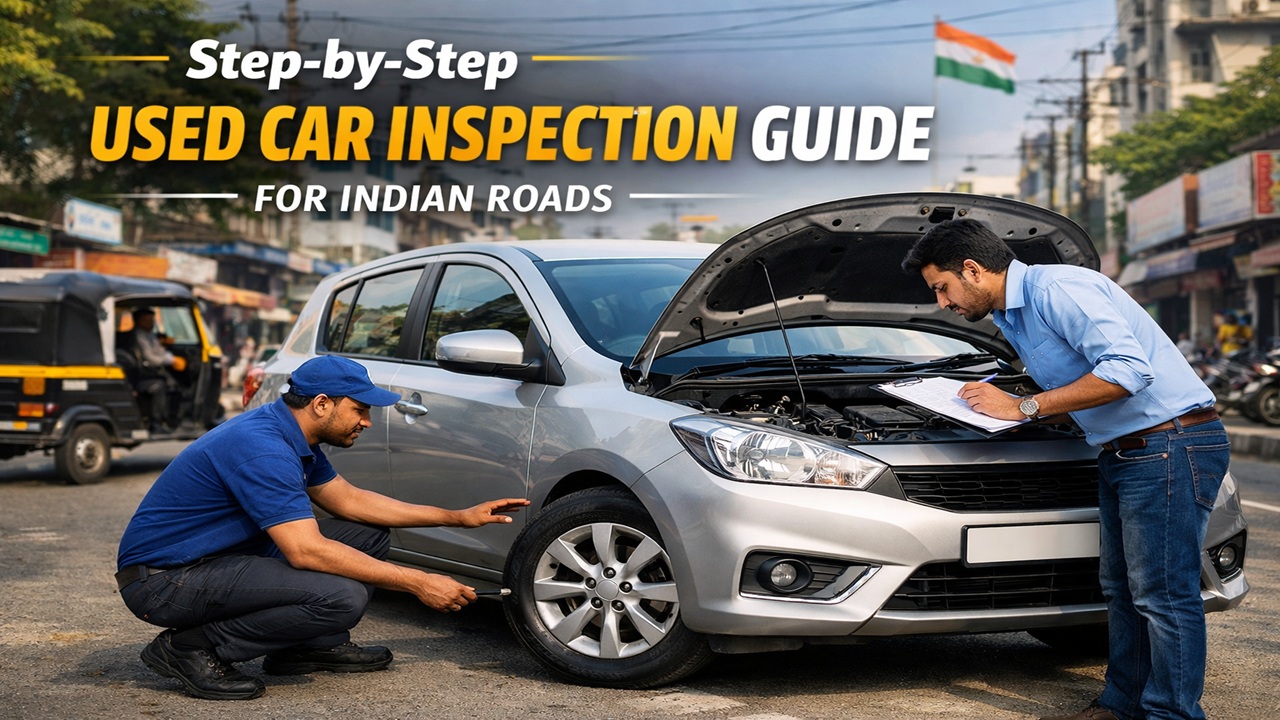
Buying a used car in India can be a smart way to save money. You avoid the steep drop in value new cars face and often get a better model for less. But for first-time buyers, the used car market can be tricky.
India’s used car market is booming, with over 5 million vehicles changing hands each year. More choice is good, but it also means more poorly maintained or problem cars on the roads.
For example, you spot a shiny Maruti Swift for Rs 4.5 lakh, look it over, and buy it. A few days later, the AC fails, and a mechanic finds water damage and a tampered odometer. Stories like this happen every day.
A car’s looks or price don’t guarantee reliability. Many issues hide beneath the surface, and buyers miss them not because they are careless, but because they don’t know what to check.
This guide covers the most common inspection mistakes first-time Indian buyers make and shows how to avoid them in a simple, practical way.
Why Used Car Inspections Matter More Than Ever in India
With India’s used car market expanding rapidly, buyers have more options than ever. Urban commuters are seeking affordable alternatives to rising new-car prices, while families in smaller cities are looking for reliable multi-purpose vehicles. But this growth also means more vehicles with hidden issues are entering the market, from minor wear to serious mechanical or structural problems.
A proper inspection is essential for first-time buyers. It goes beyond surface looks to check engine health, suspension condition, brakes, and signs of past accidents or water damage. Cars driven in coastal areas need extra attention for rust, while vehicles frequently used on uneven or pothole-filled roads may have early wear on suspension and underbody components.
Investing in a thorough inspection helps ensure long-term reliability and protects resale value. A certified pre-purchase inspection can uncover hidden issues before you commit, saving time, money, and stress. In a market where around one in three used cars may have undisclosed problems, a careful check is no longer optional, it’s the smart, practical step every buyer should take.
Top Inspection Mistakes First-Time Buyers Make
Buying a used car is exciting, but excitement can cloud judgment. Many first-time buyers rush in without noticing warning signs. Here are the most common mistakes, with practical tips on how to avoid them.
1. Ignoring the Paperwork
Many buyers focus on a car’s shine but overlook documents. Missing RC, mismatched chassis numbers, or unclear ownership can create legal problems.
Why it matters: Faulty paperwork can delay registration or lead to disputes, costing time and money.
How to avoid it: Check RC, insurance, PUC, and service records carefully. Verify details on the VAHAN portal and always ask for original documents, not copies.
2. Skipping Odometer Checks
Low mileage claims can be misleading. Some sellers roll back odometers to increase resale value.
Why it matters: Overpaying for a high-mileage car can lead to frequent breakdowns. Experts estimate 15-20% of used cars may have tampered meters.
How to avoid it: Compare the odometer reading with service records and physical wear, such as pedals, seats, or steering wheel. Apps and online records can help spot discrepancies.
3. Overlooking Accident or Flood Damage
Minor dents are easy to miss, but structural damage or water-affected electronics can be costly. Coastal cities like Mumbai and Chennai are especially prone to hidden water damage.
Why it matters: Safety risks and repair costs can run up to Rs 1 lakh. Industry checks show nearly one in four cars hide past accidents.
How to avoid it: Inspect panel gaps, paint consistency, and check for musty odors. A quick body shop scan can reveal hidden damage for a small fee.
4. Neglecting Engine and Transmission Checks
An engine that idles smoothly doesn’t guarantee trouble-free performance. Transmission issues, misfires, or leaks may appear only under load.
Why it matters: Major repairs can cost Rs 50,000 or more.
How to avoid it: Take a test drive on city streets and highways, try uphill sections, and listen for unusual noises. Cold-start inspections and mechanic compression tests are highly recommended.
5. Forgetting Suspension and Brake Checks
Potholes and uneven roads put stress on suspension and brakes. Buyers often overlook spongy brakes, worn shocks, or uneven tire wear.
Why it matters: Weak suspension and brakes increase maintenance costs and affect safety.
How to avoid it: Bounce each corner of the car; it should settle quickly. Test brakes safely at low speeds and inspect shocks for leaks. Check tire wear and alignment.
6. Overlooking Electrical Systems and AC
Minor issues with lights, infotainment, or AC are often dismissed but can be expensive.
Why it matters: Electrical faults may lead to fire hazards, and poor AC performance affects comfort, especially in hot cities.
How to avoid it: Test all electronics, check AC cooling efficiency, and verify battery voltage. Inspect filters and wiring for dust or corrosion.
7. Trusting the Seller on Service History
Sellers may claim regular servicing without proof. Missing maintenance can lead to failures like timing belt snaps or gearbox issues.
Why it matters: Unverified maintenance records can result in unexpected repairs and costs.
How to avoid it: Ask for stamped service logs, digital service records via manufacturer apps, and watch for gaps longer than 10,000 km.
8. Rushing the Test Drive
A short spin on smooth roads is not enough. True performance and issues only show up under real driving conditions.
Why it matters: Hidden vibrations, steering misalignment, or braking issues may only appear during traffic, potholes, or heavy loads.
How to avoid it: Test drive for 30-45 minutes on a mix of city streets, highways, and uneven roads. Bring a friend to notice issues you might miss.
Mistakes like these are common. Surveys show 40% of first-time buyers regret not inspecting thoroughly. Avoiding them ensures your used car remains reliable, safe, and enjoyable for years. For tips on keeping your ride secure post-purchase, check out our guide on car security gadgets you must have to prevent theft.
Step-by-Step Used Car Inspection Checklist
A careful inspection can save you from costly surprises. Here’s a simple, step-by-step approach first-time buyers in India can follow to check a used car effectively.
1. Verify All Documents First
Start with paperwork before even touching the car. Check:
- RC book and registration details
- Insurance validity and claim history
- Pollution Under Control certificate
- Service and maintenance records
Tip: Confirm chassis and engine numbers match the RC. Use the VAHAN portal for free verification.
2. Examine the Exterior Carefully
Look beyond the shine and paint:
- Check for uneven paint shades or overspray
- Inspect panel gaps and door alignment
- Look for dents, scratches, or rust spots, especially under the car and around wheel arches
3. Inspect the Interior
Interior condition can reveal usage patterns:
- Seats and upholstery for tears or uneven wear
- Dashboard electronics, infotainment, and AC
- Check for unusual smells that indicate water damage or mold
4. Test Engine and Transmission
Engine performance is critical:
- Start the car cold; listen for unusual knocks or rattles
- Test acceleration, gear shifts, and clutch (for manuals)
- For automatics, check smoothness of gear changes under load
- Optional: ask a certified mechanic for a compression test
5. Check Suspension and Brakes
Suspension and brakes often suffer first in India’s road conditions:
- Push down each corner to see how quickly it settles
- Inspect shock absorbers for leaks or damage
- Test brakes in safe conditions for responsiveness and pedal firmness
- Check tire wear and alignment
6. Electrical Systems and AC
Electrical issues are common yet overlooked:
- Test all lights, indicators, wipers, and infotainment features
- Check AC cooling in both front and rear vents
- Inspect battery and wiring for corrosion or loose connections
7. Look for Accident or Water Damage
Even minor accidents or water exposure can affect safety:
- Inspect under the hood and bonnet for uneven panels
- Check for musty odors or damp carpets
- Ask for body shop or PPI scan if unsure
8. Take a Realistic Test Drive
Don’t rush this step:
- Drive on city streets, highways, and uneven roads
- Listen for noises, check steering stability, and observe braking
- Bring a friend to notice things you might miss
9. Evaluate Ownership Costs
Even after inspection, consider long-term costs:
- Fuel efficiency for real-world Indian conditions
- Availability of spare parts and service centers
- Maintenance and repair history
10. Optional: Use a Professional Inspection
A certified pre-purchase inspection (PPI) is worth the investment:
- Mechanics can detect hidden issues invisible to the untrained eye
- Especially recommended for cars older than 5 years or with high mileage
Practical Tip for India: After a full inspection, consider small accessories like mud flaps, floor mats, or seat covers from reliable car accessories manufacturers to protect your car and improve daily usability. Learn more about why investing in quality car mats is a wise choice for your vehicle.
Following this checklist ensures you make a well-informed decision and minimizes surprises, keeping your used car reliable, safe, and cost-effective for years.
India-Specific Tips for Smart Used Car Buying
Buying a used car in India requires awareness of regional, financial, and practical factors:
- Regional Preferences: Compact cars suit Mumbai and Bengaluru; SUVs work well in Kerala hills; diesel sedans are common in Punjab and north India.
- Pricing Guidelines: Swift or City cost Rs 3–15 lakh depending on city and condition. A 2018 Brezza usually sells for Rs 6–8 lakh. Always leave 10–15% negotiation room.
- Finance and Insurance: Used car loans are around 9–12% interest. Comprehensive insurance costs Rs 8,000–12,000 annually.
- Post-Purchase Enhancements: Rust-proof undercoating (Rs 4,000–7,000), floor mats, seat covers, and mud flaps improve protection and usability.
- Long-Term Value: Well-maintained cars hold their value. A used Fortuner can retain around 60% resale after three years, and fuel-efficient models help frequent drivers save Rs 15,000–25,000 annually on fuel.
To enhance your driving safety and record everything during inspections or daily use, explore our picks for top car accessories for a better driving experience, including dash cams that double as evidence gatherers.
Hidden Costs That Sneak Up on Used Car Owners
Even post-inspection, surprises lurk. Budget for:
- Registration transfer: Rs 5,000-10,000.
- Immediate services: Rs 3,000 for oils/filters.
- Accessories upgrades: From trusted car accessories manufacturers, like LED lights for better night vision in foggy winters (Rs 2,000).
These keep your ride fresh, boosting usability for family trips or daily grinds. For keeping that interior spotless, our post on microfiber cleaning cloths as the secret to maintaining your car’s shine offers easy maintenance hacks.
FAQs About Used Car Inspection
How Much Does a Pre-Purchase Inspection Cost in India?
Expect Rs 1,000-4,000, depending on depth. Mobile services like GoDrivo charge Rs 2,499 for doorstep checks. It’s cheaper than a single repair.
Can I Inspect a Used Car Myself, or Do I Need a Mechanic?
DIY covers visuals, but mechanics spot internals like frame damage. For first-timers, always go pro.
What Documents Should I Check Before Buying a Used Car in India?
RC, insurance, PUC, service history, and pollution norms compliance. Use Parivahan app for quick verifies.
How Do I Spot Flood Damage in a Used Car?
Look for silt in trunk, foggy headlights, or erratic electrics. A mechanic’s moisture test confirms.
Is It Worth Buying a Used Car with Minor Issues?
Yes, if fixes cost under 10% of price and you negotiate down. But major red flags? No.
Where Can I Get a Reliable Used Car Inspection Near Me?
Try authorized centers or apps like CARS24 Assured. In metros, AAA-like services offer 150-point scans.
For more related reads, check out top 10 must-have car accessories for comfort and style and what types of car accessories are most in demand.
Conclusion: Inspect Smart, Drive Happy
Buying a used car in India can save you money and get you a reliable vehicle. By avoiding common inspection mistakes, you can find a car that runs smoothly and suits your daily needs. From city traffic to winding roads, a proper check ensures trouble-free driving for years.
Get a professional inspection before buying, and let us know your thoughts or experiences. Drive safe and smart!